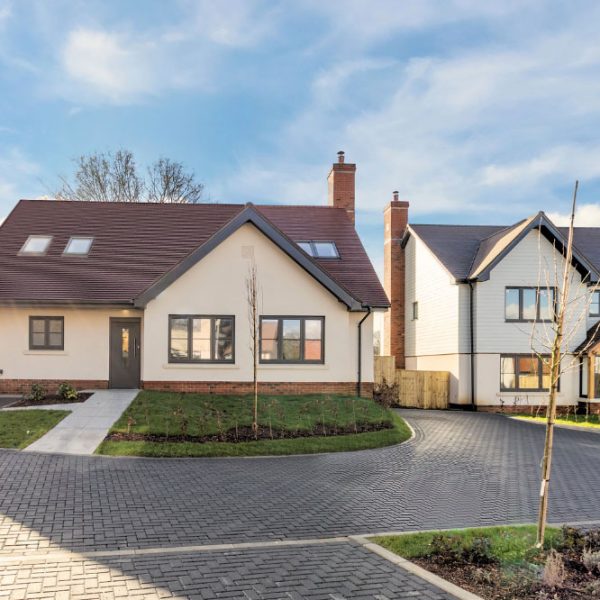
Moving into a new build home is an exciting milestone, but there are plenty of practical tasks to organise before moving day arrives. Having a clear checklist can help you stay organised, avoid last-minute problems, and make settling into your new home much easier.
Whether you are buying your first home, moving to accommodate a growing family, or upgrading to a higher-spec property, there are several important steps to complete before you collect the keys. This guide covers what to do before moving into a new build house, including preparing your finances, arranging utilities, checking your new property, and planning for moving day.
Key Takeaways
- Start organising your move early, particularly if you need to coordinate the sale of an existing property with your new build purchase.
- Arrange essential services and update your address before moving so your new home is ready when you arrive.
- Carry out the necessary checks on your new build and understand any information provided by the developer before moving in.
- Plan your moving day carefully, including removals, parking, key collection, and the essentials you will need on your first night.

Moving House Checklist: What to Do Before Your Move
1. Confirm Your Moving Date
Once your purchase is progressing, confirm the expected completion date and start planning around it. Your moving date will affect when you need to book removals, arrange time away from work, and organise the final stages of your existing property.
New build purchases can involve specific timescales, so keep communication open with your solicitor and the developer. Make sure you understand when you are expected to complete and when you will be able to collect the keys.
If your move depends on selling your current home, there may also be several dates that need to align. Keeping track of these early can reduce the risk of unnecessary delays.
2. Arrange Your Mortgage and Finances
Before moving into your new home, make sure your mortgage arrangements are in place, and you understand the costs associated with completion.
As well as your deposit and mortgage payments, remember to budget for other moving costs. These could include:
- Stamp Duty Land Tax, where applicable
- Solicitor and conveyancing fees
- Removal costs
- Buildings and contents insurance
- New furniture or appliances
- Initial maintenance and household expenses
Buying a new build can also mean purchasing a home with modern fixtures, fittings, and appliances already included, depending on the property and specification. Check what is included with your purchase so you know what you need to budget for separately.
3. Organise Your Home Insurance
Arrange suitable buildings and contents insurance before you move in. Your mortgage provider may have specific requirements for buildings insurance, so check these as part of your preparation.
With a new build, you should also make sure you understand the warranties and guarantees that apply to your property. Keep documentation relating to your home in a safe place so you can refer to it if you need to make a query or report an issue.
4. Complete Your Pre-Completion Checks
Before completing on a new build, you will usually have an opportunity to inspect the property. This is an important stage, as it gives you the chance to identify any issues that need attention. Pay close attention to areas such as:
- Doors and windows
- Kitchen units and appliances
- Bathroom fittings
- Flooring and finishes
- Heating and hot water systems
- Electrical sockets and switches
- External areas, including gardens, driveways, and fencing
Your developer or solicitor should be able to explain the process for reporting any issues and how these will be addressed.
5. Understand Your New Build Warranty
Make sure you know what warranty protection applies to your new home and what the process is for reporting defects or problems after moving in.
Keep your warranty documents, completion information, manuals, and certificates together. You may need these documents in the future, particularly if you need to report an issue or carry out work on the property.
It is also worth understanding which issues should be reported to the developer and which may fall under another warranty or service agreement.
6. Arrange Your Utilities
Before moving day, arrange the essential utilities and services for your new home. These may include:
- Electricity and gas, if applicable
- Water
- Broadband
- Council tax
- TV and communications services
Check which utilities are already connected and whether you need to set up your own account with the relevant provider.
For broadband, it is worth arranging installation or activation as early as possible. Availability and installation times can vary, and having an internet connection ready can make the first few days in your new home considerably easier.
7. Update Your Address
There are plenty of organisations that need to know you have moved. Making a list in advance can help you avoid forgetting an important account. Consider updating your address with:
- Your bank and credit card providers
- Insurance providers
- Employer
- Doctor and dentist
- Driving licence and vehicle records
- Subscriptions and memberships
- Friends and family
You can also arrange Royal Mail redirection if you are moving from an existing property. This can help ensure that important post reaches you while you update your address with different organisations.
8. Declutter Before You Pack
Moving into a new build is a good opportunity to review what you actually need to take with you.
Go through your existing belongings and separate items that you no longer want or use. Selling, donating, recycling, or disposing of unwanted items before moving can reduce the amount you need to transport. It can also make unpacking easier when you arrive at your new home.
9. Pack an Essentials Box
Do not pack everything away in boxes that will be difficult to identify on moving day. Prepare an essentials box or bag containing the items you are likely to need immediately. This could include:
- Toiletries and medication
- Phone chargers
- Basic cleaning supplies
- Tea, coffee, snacks, and bottled water
- Toilet roll
- Towels
- Basic tools
- Important documents
- A change of clothes
Keep these items somewhere accessible so you can find them easily when you arrive.
10. Book Your Removal Company
If you are using professional movers, arrange this well in advance. Provide them with the correct details for both properties, including access arrangements and any parking restrictions.
For a new build development, check whether there are any specific arrangements for removal vehicles. Some developments may have restricted access, communal areas, or other considerations that could affect where a removal vehicle can park.
If you are moving yourself, make sure you have suitable transport and enough help for the day.
11. Plan Your Moving Day
Having a plan for moving day can make the process considerably less stressful. Before the day arrives, make sure you know:
- Where and when you are collecting your keys
- How you will access the property
- Where your removal vehicle can park
- Who needs to be present for the move
- What you need to take with you personally
- When you need to hand over the keys to your previous property, if applicable
Keep your phone charged and have important contact details readily available in case you need to speak to your solicitor, developer, removal company, or another service provider.
12. Check Your New Home When You Arrive
Once you have the keys, take time to familiarise yourself with your new property before unpacking.
Locate important features such as the electricity meter, stopcock, fuse box, heating controls, and any other key systems. If your developer provides a homeowner manual, read through it so you understand how the property’s systems work.
You should also record meter readings where appropriate and take photographs of the property’s condition when you move in. These can provide a useful record for your own reference.
New Build Homes from Bruckland Developments
Moving into a new build can be an opportunity to enjoy a home designed around contemporary living, with modern layouts, finishes, and features already incorporated into the property. Choosing the right development is an important part of that process. When deciding which new home is right for you, consider location, specification, layout, outdoor space, and your household’s needs.
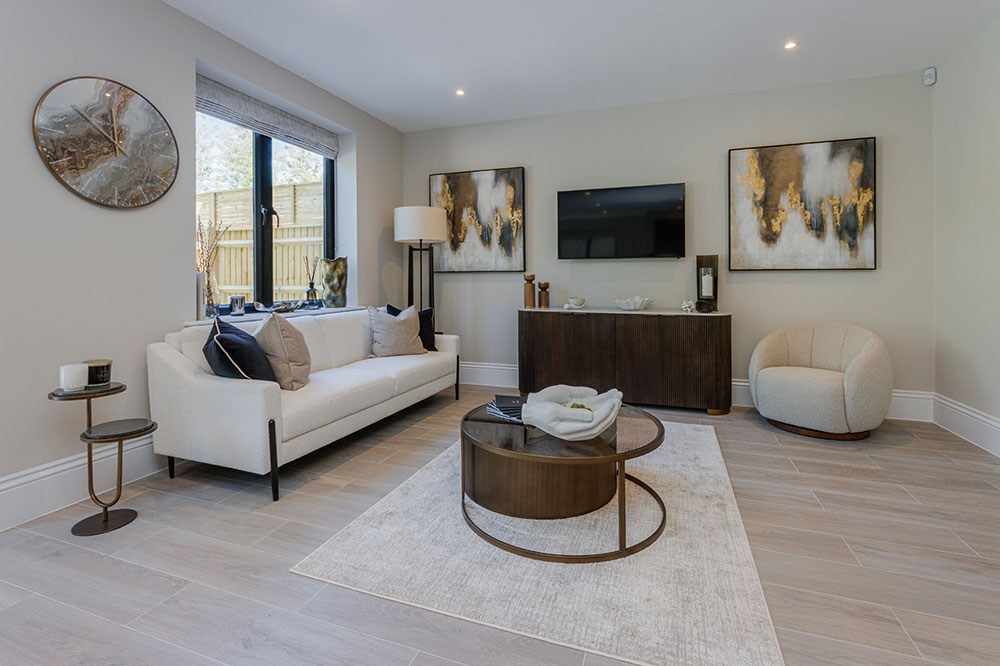
Bruckland Developments creates premium new homes in desirable locations across Surrey and South East England, with developments designed with modern living in mind. Our current portfolio includes:
- The Paddock in Lingfield
- Ivy Grove in Radlett
- Golden Manor Mews in Hanwell
- Mill Farm in Chalfont St Giles
- Meadow View in Horsham
Whether you are looking for a family home, a property for professional living, or a new investment opportunity, explore Bruckland Developments’ current selection of new build properties.
Get in touch with Bruckland Developments to find out more about its available new homes and upcoming developments.